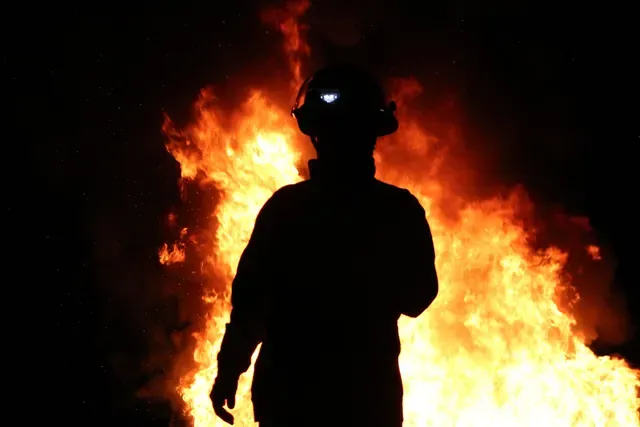
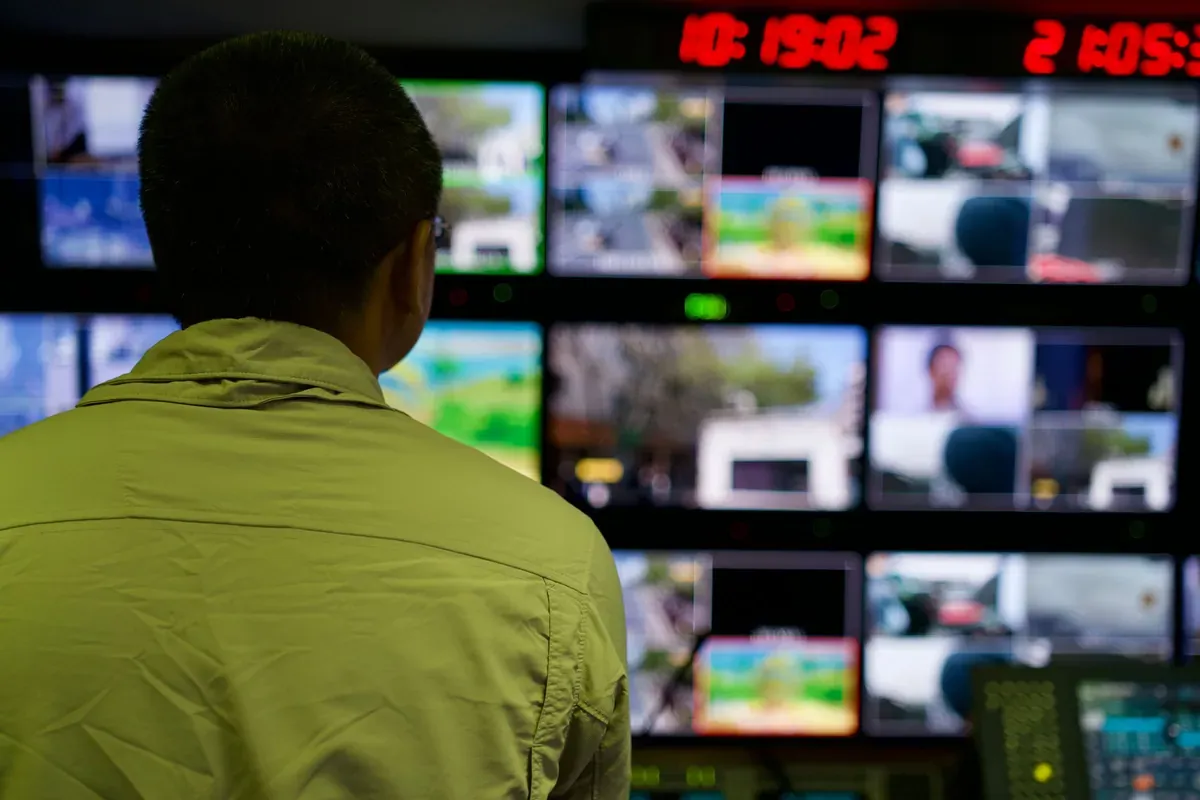
Dispatchers and call-takers get the worst moments of strangers' lives through a headset, often with no ending. You hear the scream, the silence, the CPR count, and then the line drops and the next call is already ringing. You can't step outside or walk it off, and nobody tells you how it turned out. You stay at the console and you keep going.
That's why most standard grounding advice doesn't fit the job. "Go for a walk" and "take ten minutes" don't work when the board is lit. Below are tools that do work at a console: fast, quiet and invisible to the room, plus a few for the end of the shift.
Why it builds up for dispatchers
Telecommunicators are public safety personnel, and Canada's Federal Framework on PTSD names them that way, alongside police, firefighters, paramedics and others. The framework cites a 2016–17 Canadian survey of public safety personnel in which 44.5% reported symptoms consistent with one or more mental disorders, and about 23% screened positive for PTSD.
For dispatch, the load comes from a particular combination:
- a high volume of exposure
- vivid audio with no visual "closure"
- long, sedentary shifts with rotating hours
- the helplessness of being unable to physically act
Grounding won't erase that. What it does is stop each call from stacking on top of the last one in real time.
What grounding is, and what it isn't
Grounding means bringing your attention back to the present moment through your senses and your body, so your nervous system gets the message that you, right now, are safe. The US National Center for PTSD's guidance on coping with traumatic stress reactions describes the core moves: keep your eyes open and notice where you are; remind yourself where you are and that the event is in the past; slow your breathing when panic hits; and move your body.
It isn't a fix for PTSD, and it's no substitute for support. Think of it as first aid for the next ten minutes.
At the console: 30 seconds or less
The long exhale. Between calls, breathe in through your nose for a count of four and out slowly for six to eight. Two or three rounds is enough. The longer out-breath is what settles you, and nobody can see you doing it.
Feet, seat, hands. Press both feet flat into the floor, feel the chair under you, and press your palms on the desk for a slow count of five. Notice the pressure and the temperature. It's a quick way to bring your body back into the room.
Name the room. Silently name three things you can see on your console that have nothing to do with the last call: the colour of a sticky note, the time, a scratch on the desk. It's a short version of the 5-4-3-2-1 exercise, which you can do in full on a break.
Temperature reset. Keep a cold water bottle at your position. A few cold sips or holding the bottle against your wrist is a quick, discreet jolt back to the present.
A one-line close. Calls without endings are part of what makes dispatch heavy. Some dispatchers use a private sentence to mark the end of a call, like "I did my part. I'm handing it on." Saying it closes the call in your head, even if you never learn how it ended.
On a break: two to five minutes
- Full 5-4-3-2-1: name five things you can see, four you can feel, three you can hear, two you can smell and one you can taste.
- Move: stairs, a lap of the building, wall push-ups in the break room. Your body has been bracing for hours, so let it discharge.
- Get outside, even briefly: daylight and air are a strong signal to a nervous system that's been stuck in an artificially lit room.
- Talk to a human about anything else. A few minutes of ordinary conversation with a coworker counts.
After the shift: draw the line
The commute home is a prime spot for replaying calls. A routine helps mark the boundary:
- Take the headset off deliberately and say "done" in your head.
- Change clothes or shower before settling at home.
- Write a short debrief: the call that's sticking, the moment inside it, what you need tonight. Getting it onto paper helps keep it from coming to bed with you. Our 30-Day Journal includes a shift-work debrief page made for exactly this, if you'd like a ready-made structure.
- Protect sleep on rotating shifts with blackout curtains, a consistent wind-down, and a limit on caffeine in the back half of the shift.
When grounding isn't enough
Pay attention if you notice any of these:
- calls replaying for days
- dread before every shift
- jumping at your own phone ringing
- going numb with your family
- drinking to come down
These are signs that you're carrying more than a breathing exercise can shift. Talk to your centre's peer team or EAP, or to a clinician who understands public safety work. Our Survival Guide explains in plain language what chronic exposure does to the brain and why asking for help doesn't end a career. Dispatchers are often left out of that conversation entirely.
If you're having thoughts of suicide, call or text 988. If you're in immediate danger, call 911. And if you just need to talk to people who understand the job, our peer chat is open to dispatchers too. You're part of the team even when nobody puts you in the photo.
— Through the Fire
Sources
- Federal Framework on Post-Traumatic Stress Disorder (2019), Public Health Agency of Canada.
- Coping with Traumatic Stress Reactions, U.S. Department of Veterans Affairs, National Center for PTSD.
This article is general information from people with lived experience, not medical advice. If you're struggling, talk to a qualified health professional.