
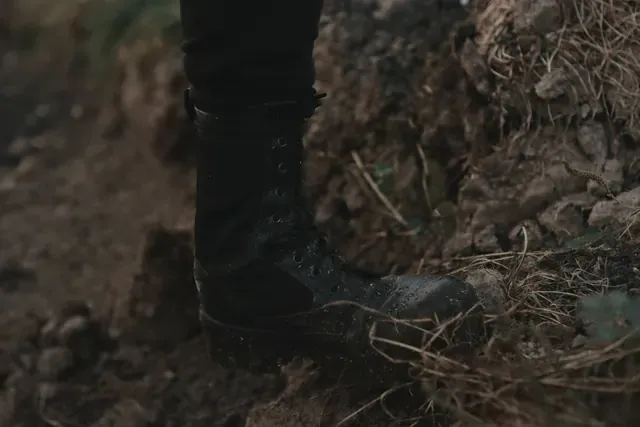
 Returning to Duty After Trauma: How to Tell If You're Ready
Readiness isn't feeling fine. Signs you're close, questions for your clinician, how to build a graduated return, and a plan for the first hard call.
 Grounding Tools for Dispatchers That Work at the Console
Fast, discreet grounding techniques for 911 dispatchers and call-takers: what works between calls, on a break, and after the shift.
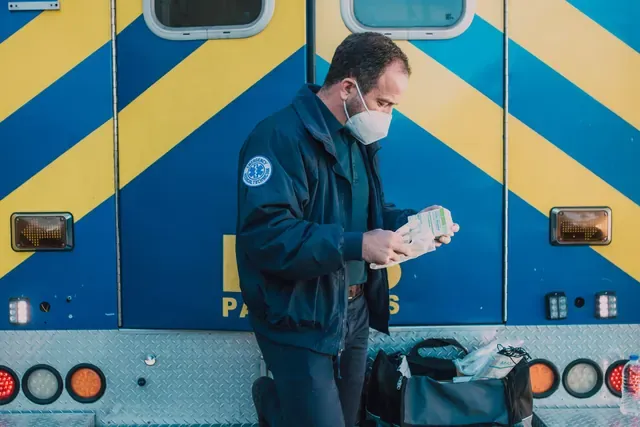 Guilt After a Call: Moral Injury, Hindsight and How to Carry It
Why responders blame themselves after bad outcomes, how guilt differs from shame and moral injury, and practical ways to work it through.
 Peer Support Confidentiality: What Stays Private and What Doesn't
What confidentiality usually covers in peer support, the exceptions and why they exist, questions to ask, and how to protect yourself in online rooms.
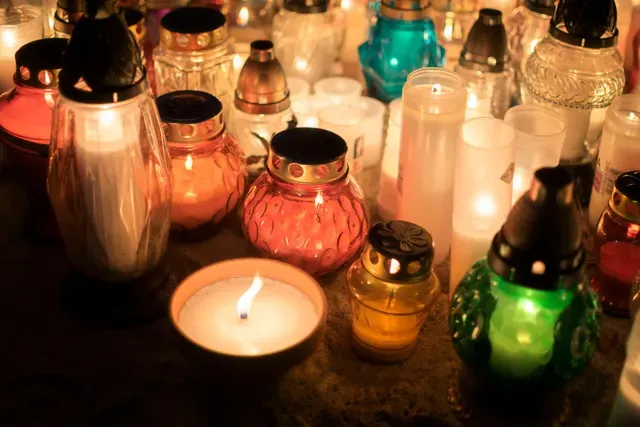 Grief on the Job: How First Responders Can Process Loss
Line-of-duty loss, suicide, cumulative grief from calls and grief for who you were: what's normal, when grief gets stuck, and practical ways to carry it.
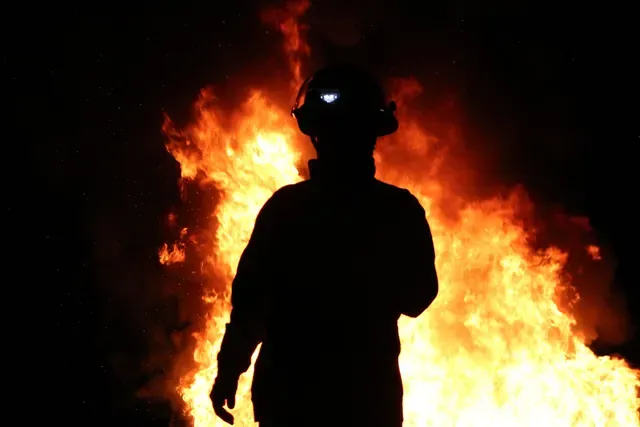 After a Critical Incident: The First 72 Hours and the Weeks That Follow
What's normal after a bad call, how to steady the first 72 hours, what the evidence says about debriefing, and when it's time for more than rest.
 Peer Support vs. Therapy: What Each Does and When You Need Both
What peer support offers, what therapy offers, where each one's limits are, and how first responders and veterans can tell which they need right now.
 Warning Signs of Responder Overload, and Why Strong People Miss Them
The physical, mental, home-life and coping signs of overload in first responders and veterans, the ones that mean act today, and what to do next.
 Crisis Lines for First Responders and Veterans in Canada and the US
Which crisis line to call, and when: 988, the VAC Assistance Service, the Veterans Crisis Line and more, for first responders, veterans and families.
 How to Journal After Trauma Without Reopening Everything
What the research on expressive writing actually says, and a safe, structured way for first responders and veterans to start journaling after trauma.
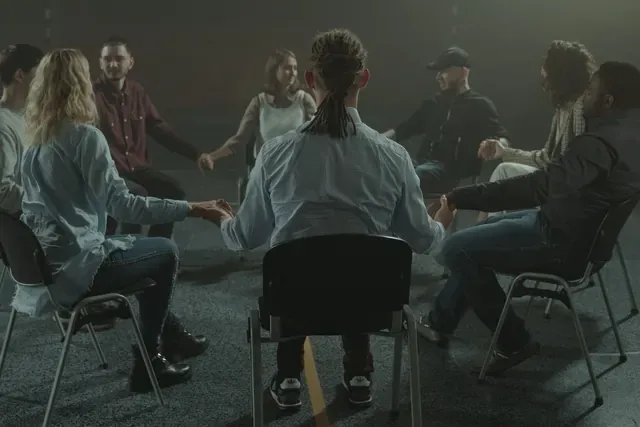 Peer Support Groups for First Responders and Veterans: What to Expect
What a good peer support group looks like, where to find one in Canada (OSISS, SOSI, workplace teams), red flags, and how to get the most from it.
 Supporting a First Responder or Veteran at Home: What Actually Helps
For partners and families: the warning signs to watch for, what to say and not say, how to protect yourself, and when love isn't enough on its own.